
By Stefan Colligan, Principal Consultant
Plato’s allegory of the cave feels uncomfortably modern. In The Republic, his blueprint for an ideal state, he describes humans as prisoners chained in a dark cave, mistaking shadows on a wall for reality. To them, appearances are truth.
Nearly 2,500 years later, AI has us wondering whether we’re back in the cave.
Plato probably wasn’t foreshadowing an AI-generated Taylor Swift endorsing Le Creuset, despite having no affiliation with the brand. But he might have raised an eyebrow at the idea that the once “best restaurant in London” on TripAdvisor never even existed, or that fake social posts promoting non-existent initiatives from York Council, like recruiting volunteers to remove flags, were widely shared online (and believed).
Endorsements, institutions, even entire places can now be conjured into reality with a decent prompt and a straight face.
Generative AI offers extraordinary creative possibilities: personalised ads, endless iterations of content, campaigns built and launched in days. But it also raises more fundamental questions. If a celebrity endorsement can be deepfaked, how do you know what’s genuine? If brand storytelling can be written by a machine, how do you distinguish it from misinformation?
When anyone can produce anything, the value of making collapses. What matters now is not the output, but the judgement behind it: taste, point of view, values, consistency. Evidence of an actual human being and culture making deliberate choices.
In a world where the line between real and fabricated is increasingly hard to spot, consumer confidence is at an inflection point. The central question for brands is no longer, “How creative can we be?” It’s, “How credible can we prove ourselves to be?”
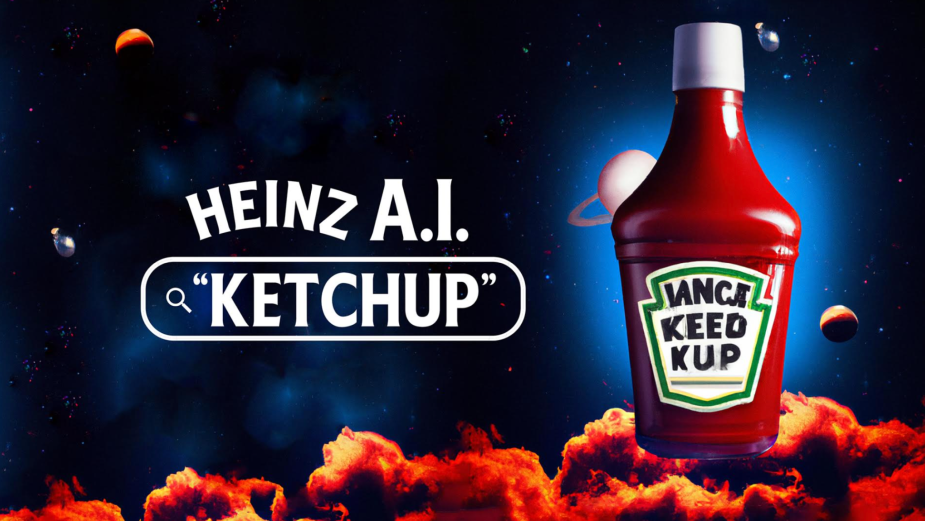
The brands taking this seriously are leaning into transparency. L’Oréal has experimented with digital watermarks to verify content authenticity. Heinz ran an AI-generated ketchup campaign, but crucially revealed the prompts and outputs, showing the process rather than pretending it was magic. Patagonia continues to open-source its supply-chain stories, grounding lofty claims in verifiable detail. Orange flipped expectations by revealing that classy football skills weren’t Mbappé’s at all, but those of the French women’s team.
This matters because we don’t live in Plato’s Republic. Life is messy. It is not ideal. As Cicero wrote, Rome grew out of the “dregs of Romulus”. Not an idealised blueprint, but a human reality shaped by friction, imperfection, and lived experience.
That’s still the world people recognise. And perception only sticks when it’s anchored there.
The strategic shift is clear: trust now comes less from authority and more from radical openness. Brands need to invite audiences behind the curtain, showing not just the polished message but the process, the data and even the flaws.
In a blurred era of truth and fakery, credibility doesn’t come from perfection. It comes from proof. If we are in a world of shadows, the brands that will last are the ones willing to step into the light and let people see what’s really there.