
By Veronica Patton-Cemm, Consulting Director – Insights
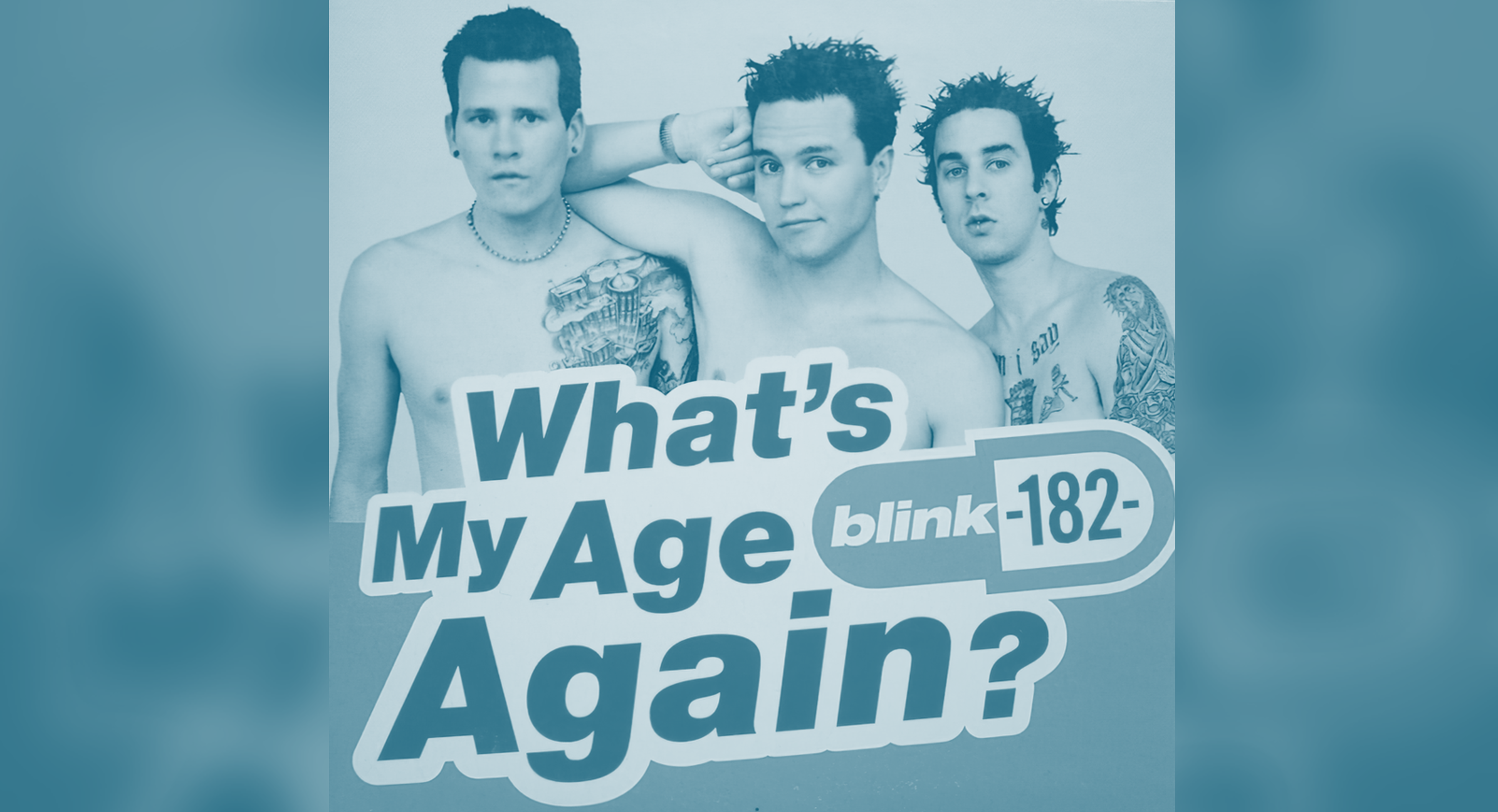
What’s my age again? What’s my age again? So goes the lyrics to Blink-182’s 1999 song. For those unfamiliar with the song, it encapsulates the playfulness of not acting your age because what is ‘age’. As we move into 2026, the sense of disconnection between age, beliefs, behaviour and interests has continued to grow.
Age like gender, class and even cultural belonging are no longer fixed or reliable markers of identity. The categories that once underpinned consumer audience segmentation are fragmenting, not because people are confused, but because lived experience has become more fluid, contextual and self-defined. How we define identity today is shaped as much by values, behaviours and communities as by demographics, and it shifts over time and across platforms, geographies, products. As a result, the idea of a “typical” audience profile is increasingly out of step with reality.
And this fluidity is visible across generations. While Millennials have been dubbed the ‘most nostalgic’ generation, holding onto their 90s and early 00s sensibilities while embracing the change of the modern age, Gen Z are doing the same and labelling it a form of ‘self-care’ and escape from the modern world.
Gen Alpha is growing up with non-binary understandings of gender as a social norm rather than a point of debate, while older generations are embracing behaviours once seen as youth-coded – from streaming and gaming to utilizing TikTok as a primary source of entertainment, learning and connection. Cultural participation no longer follows a predictable lifecycle, and influence flows in multiple directions at once. Age, in particular, has become a weak proxy for attitudes, aspirations and media habits.
For marketers and comms professionals, this shift demands a fundamental rethink of how audiences are categorised, targeted and engaged. Use of rigid segmentation models risk flattening people into outdated stereotypes, and missing the nuance of how identity actually operates. Increasingly, relevance is driven by shared mindsets, belief systems and moments of need and desire, rather than static demographic labels. The most effective strategies are those that start with understanding how people see themselves, and importantly who they choose to belong with, rather than how they have traditionally been grouped.
In this context, cultural belonging has become more dynamic and elective. People move between communities, aesthetics and identities with ease, often holding multiple, sometimes seemingly contradictory positions at once. This challenges brands to move beyond surface-level representation and towards a deeper fluency in the cultural codes, values and tensions shaping people’s lives. Those that succeed will be the ones that treat identity not as a box to target, but as a relationship to understand and earn over time.