
By Rachel Minty, managing director
2026 marks the era of a new generation – Generation Beta, and a moment of historical relevance where we will be balancing the needs of seven generations at once. While the arrival of Generation Beta may not demand immediate focus from marketers and communications professionals, the evolving needs and expectations of preceding generations will come into far sharper focus this year.
This is particularly true of Gen Z and older Gen Alphas. They will come of age against a backdrop of missed Sustainable Development Goals and inherit a world where the reality of the climate crisis will become their new normal, deepening political polarisation, and sustained cost of living pressure.
Economic reality will still shape the choices they make. But beneath that sits a deeper expectation: that brands do more than mirror their values. They expect them to act on them. The most impactful work will be both commercially sharp and socially resonant.
In a world increasingly defined by complexity and uncertainty, people aren’t just buying products and services. They are looking for solutions to the problems shaping their lives.
This is not about CSR initiatives tacked onto marketing or buried in company reports. It signals a more fundamental shift in how brands operate, where the boundaries between brand, business, and social impact are increasingly blurred.
From tackling loneliness and improving everyday convenience to addressing climate change and fostering community, expectations for brands to step up have never been higher.
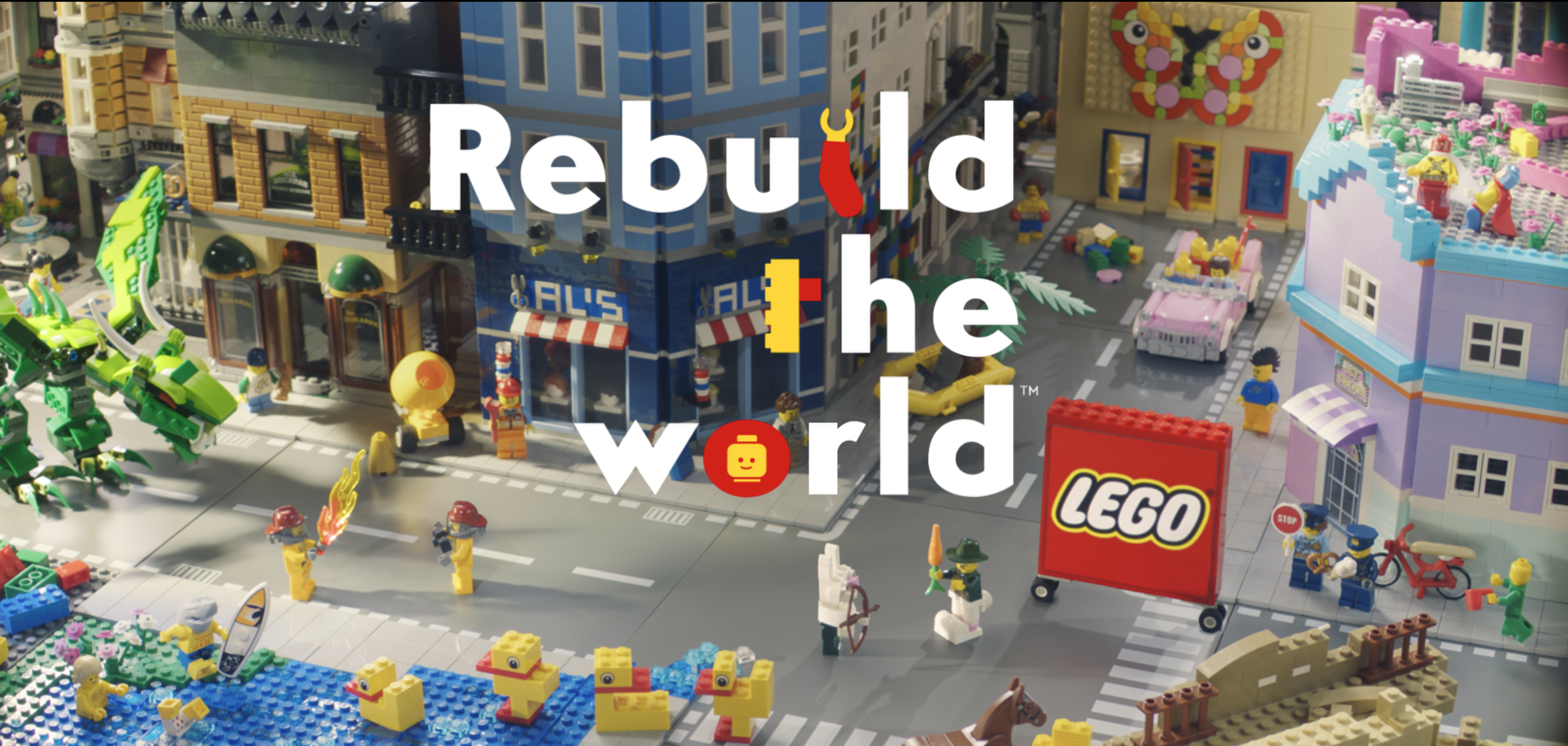
Some brands are already rising to that challenge. Nike has moved beyond selling athletic wear to empowering athletes to challenge norms, on and off the field. IKEA invests in second-hand marketplaces and circular services, positioning sustainability not as sacrifice but as part of the shopping experience. LEGO’s “Rebuild the World” campaign connects play with empowerment, framing creativity and resilience as outcomes of buying its products. Tony’s Chocolonely embeds its fight against modern slavery directly into the product story, using the wrapper itself as a platform for activism.
Consumers are savvy. They can see through superficial gestures. So, how can brands respond to this shift in expectation?
- Be authentic. Start with a genuine problem your brand is equipped to help solve, one that aligns with your values and capabilities. Whether it is food waste, hunger, digital literacy, or accessibility, the most credible work is built into the business itself, not bolted on as an afterthought.
- Listen, don’t just talk. Engagement matters. Social listening, surveys, and community initiatives are useful, but the real insight comes from understanding the systems of meaning people want to participate in, not simply the messages they want to hear.
- Communicate action and demonstrate impact. Transparency builds trust. Be clear about the challenges you are addressing, the actions you are taking, and the progress you are making. Consumers do not expect you to have all the answers, but they do expect intent backed by action.
Ultimately, the winners will be businesses where impact and brand are inseparable. Not parallel narratives, but a single story in which buying and believing converge.